


· By Written in collaboration with AI
What Is THCA Flower? Benefits, Effects & How It Works
What Is THCA Flower?
THCA flower is hemp or cannabis flower that is naturally rich in tetrahydrocannabinolic acid (THCA), the non-psychoactive acidic precursor to delta-9 THC found in raw cannabis plants. In its raw form, THCA does not produce intoxicating effects. However, when heated through smoking, vaping, or cooking—a process called decarboxylation—THCA converts into delta-9 THC, producing effects similar to traditional cannabis. This unique characteristic has made THCA hemp flower one of the most talked-about cannabis products, though significant regulatory changes are reshaping its legal landscape as of March 2026.
Understanding what THCA flower is requires knowledge of both cannabis chemistry and evolving federal regulations. While THCA flower looks, smells, and tastes virtually identical to traditional cannabis, its legal classification has historically depended on measuring only delta-9 THC content before heating. That distinction is currently undergoing fundamental change at the federal level.
What Is THCA?
THCA stands for tetrahydrocannabinolic acid, a naturally occurring cannabinoid found in raw cannabis and hemp plants. THCA is biosynthesized from cannabigerolic acid (CBGA) through the action of THCA synthase, an enzyme that determines the psychoactive potential of cannabis plants. Unlike its decarboxylated counterpart THC, THCA's molecular structure includes an additional carboxyl group (COOH), which makes the molecule larger and more acidic.
This structural difference is crucial: THCA's molecular size and acidic nature prevent it from effectively binding to CB1 receptors in the brain, the primary mechanism through which THC produces psychoactive effects. While THC fits into CB1 receptors like a key in a lock, THCA's bulkier structure cannot achieve the same binding efficiency. This explains why consuming raw cannabis—even varieties with high THCA content—does not produce intoxication.
Present in both cannabis and hemp plants, THCA represents the plant's natural storage form of potential THC. Fresh, properly cured flower contains primarily THCA rather than THC, with conversion to THC occurring through heat exposure in a process governed by specific kinetic rates.
What Is THCA Flower?
THCA flower refers specifically to hemp or cannabis flower cultivated and harvested to preserve high concentrations of THCA. These flowers are typically indistinguishable from traditional cannabis in appearance, aroma, and terpene profile. Cultivated from Cannabis sativa plants, THCA flower has historically been classified as "hemp" when the delta-9 THC content measured less than 0.3% by dry weight in its raw, pre-heated state.
High-THCA hemp flower gained popularity among consumers seeking cannabis-like experiences in jurisdictions where traditional marijuana remained prohibited. Because laboratory testing measured only delta-9 THC (not THCA) in determining legal hemp compliance, growers could produce flower with THCA concentrations of 20% or higher while technically remaining under the 0.3% delta-9 THC threshold—at least until the flower was heated.
This regulatory distinction created a thriving market. Industry analysts estimated that intoxicating hemp products, including high-THCA flower, reached approximately $2.8 billion in U.S. sales by 2023, reflecting significant consumer demand for hemp-derived products with cannabis-like effects.
Popular among consumers seeking potent cannabinoid experiences, THCA hemp flower comes in numerous strain varieties—from indica-dominant options like Rainbow Belts to sativa-leaning cultivars like Sour OG Kush, each offering distinct terpene profiles and effects after activation.

How THCA Flower Works
The key to understanding how THCA flower works lies in the process of decarboxylation. When THCA is exposed to sufficient heat, the carboxyl group (COOH) detaches from the molecule, transforming it into delta-9 THC. This chemical transformation is why the same flower that produces no intoxicating effects when eaten raw can produce significant psychoactive effects when smoked or vaporized.
Decarboxylation follows first-order kinetics, with THCA converting to THC at relatively fast rates compared to other acidic cannabinoids. The rate of conversion depends on both temperature and time—higher temperatures accelerate decarboxylation but may also degrade THC and terpenes if excessive. Understanding optimal heating parameters helps consumers maximize both potency and flavor.
Smoking THCA Flower
Smoking remains the most common consumption method for THCA flower. When flower is combusted in a pipe, bong, or rolled into a joint, temperatures typically reach 400-900°F (204-482°C), instantly decarboxylating THCA into THC. The conversion efficiency is high, though combustion also produces some degradation and creates combustion byproducts. Effects typically manifest within minutes, with peak intensity reached within 30 minutes and duration of 2-4 hours depending on individual factors and consumption amount.
Vaping THCA Hemp Flower
Vaporization offers controlled heating that decarboxylates THCA without combustion. Quality dry herb vaporizers like the G Pen Dash II or G Pen Elite II allow precise temperature control, typically operating between 320-430°F (160-220°C). This temperature range efficiently converts THCA to THC while preserving delicate terpenes that contribute to flavor and effects. Vaporization generally produces cleaner flavor profiles and may be less harsh on the respiratory system compared to smoking.
Cooking With THCA Flower
Incorporating THCA flower into edibles requires intentional decarboxylation before or during cooking. Many recipes call for baking flower at approximately 220-245°F (104-118°C) for 30-45 minutes to fully convert THCA to THC before infusing into fats like butter or oil. When THCA flower is added directly to recipes without pre-decarboxylation, the cooking process itself will activate the cannabinoids—provided sufficient heat and time are applied. Effects from edibles typically take 45-90 minutes to manifest but last considerably longer (4-8 hours or more) due to hepatic metabolism.
Does THCA Flower Get You High?
This question represents one of the most frequently searched queries about THCA flower, and the answer requires an important distinction between raw and heated consumption.
Raw THCA Flower
Raw, unheated THCA flower does not produce psychoactive effects in the traditional sense. Because THCA cannot effectively bind to CB1 receptors due to its molecular structure, consuming raw THCA flower—such as in smoothies, salads, or other unheated preparations—will not cause intoxication. Some consumers incorporate raw THCA flower into their wellness routines specifically for this non-intoxicating profile, though research into THCA's independent effects remains limited. Preclinical studies suggest THCA may function as a PPARγ agonist with potential neuroprotective properties, but human clinical evidence is not yet established, and no medical claims should be made.
Heated THCA Flower
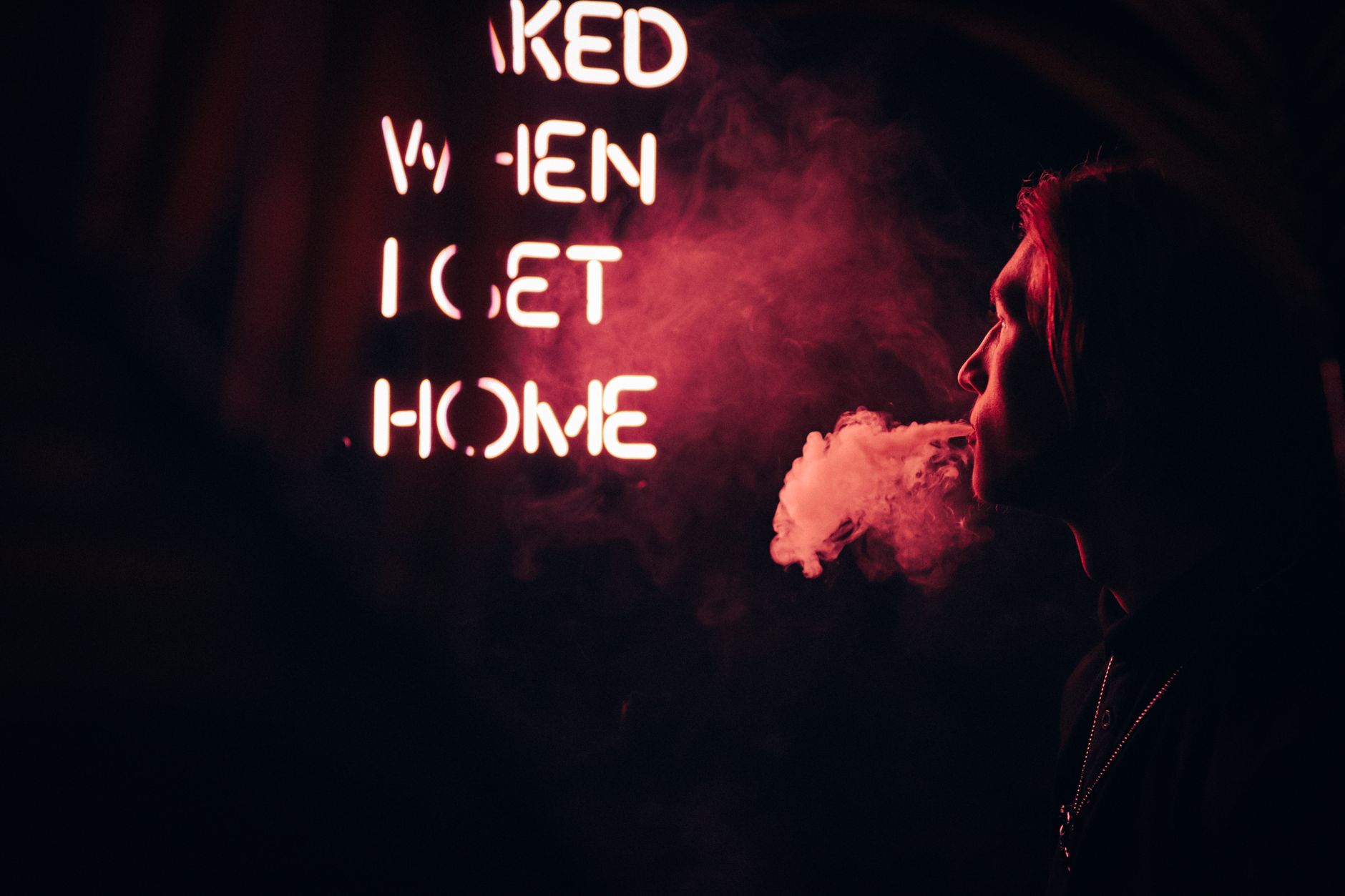
When heated through any consumption method—smoking, vaping, or cooking—THCA flower absolutely can produce intoxicating effects equivalent to traditional cannabis. The decarboxylation process converts THCA into delta-9 THC, which then binds to CB1 receptors in the endocannabinoid system, producing the familiar cannabis experience: altered perception, euphoria, relaxation, increased appetite, and potential impairment of coordination and short-term memory.
The intensity of effects depends on multiple factors: the THCA percentage in the flower (commonly ranging from 15-30% or higher), the amount consumed, individual tolerance, consumption method, and the terpene profile accompanying the THCA. A high-THCA flower strain like Lemon Cherry Gelato with 25% THCA will, after heating, produce effects comparable to traditional cannabis flower with 25% THC.
Benefits of THCA Flower
THCA flower offers several advantages that have contributed to its popularity, though it's important to note that benefits related to wellness or therapeutic applications lack robust clinical evidence and should not be construed as medical claims.
Cannabis-Like Experience From Hemp-Derived Products: For consumers in jurisdictions where traditional cannabis remains restricted or heavily regulated, THCA hemp flower has historically provided legal access to products that, after heating, produce effects similar to marijuana. This accessibility has been particularly valuable for consumers in states without adult-use cannabis programs.
High Cannabinoid Content: Quality THCA flower frequently features cannabinoid concentrations comparable to or exceeding traditional cannabis, with total cannabinoid content (THCA plus minor cannabinoids) often reaching 25-30% or higher in premium indoor-grown flower.
Rich Terpene Profiles: Well-cultivated THCA flower expresses complex aromatic and flavor profiles driven by terpenes—volatile compounds that contribute not only to sensory experience but potentially to effects through the entourage effect. Strains may feature terpene profiles dominated by myrcene (earthy, sedating), limonene (citrus, uplifting), caryophyllene (peppery, potentially anti-inflammatory), or pinene (pine, potentially alertness-promoting), among many others.
Variety and Strain Selection: The THCA flower market has matured to offer extensive strain diversity, allowing consumers to select cultivars based on desired effects (indica for relaxation, sativa for energy, hybrid for balanced experiences), flavor preferences, and cannabinoid-terpene combinations. From the Dodi x Grenco Goods collaboration strains to classic genetics, options abound for different preferences.
Flexible Consumption Options: THCA flower serves as a versatile starting material for multiple consumption methods—smoking, vaporizing, or incorporating into homemade edibles and tinctures—giving consumers control over their experience.
THCA Flower vs Regular Cannabis Flower
Understanding the distinctions between THCA flower and regular cannabis flower requires examining source, legal classification, and practical differences:
| Feature | THCA Flower | Regular Cannabis Flower |
|---|---|---|
| Plant Source | Hemp (Cannabis sativa with ≤0.3% delta-9 THC, historically) | Marijuana (Cannabis with >0.3% delta-9 THC) |
| THCA Content | High (15-30%+) | High (15-30%+) |
| Pre-Heat Testing | Historically measured delta-9 THC only | Often measured as total THC (THC + 0.877×THCA) |
| Legal Status (as of March 2026) | Transitioning; federal redefinition pending November 2026 | Legal in state-licensed markets; federally Schedule I |
| Effects After Heating | Comparable to cannabis with equivalent THC levels | Psychoactive, determined by THC content and terpenes |
| Appearance & Aroma | Virtually indistinguishable from cannabis | Varies by strain and cultivation quality |
In practical terms, high-quality THCA flower and high-quality cannabis flower are functionally equivalent once heated. The primary historical difference has been legal classification rather than the consumer experience, chemistry, or effects profile.
Is THCA Flower Legal?
The legal status of THCA flower is currently in significant transition, making this one of the most critical sections for consumers to understand as of March 2026.
Historical Legal Framework (Pre-November 2025): The 2018 Farm Bill federally legalized hemp, defined as Cannabis sativa L. containing no more than 0.3% delta-9 THC by dry weight. Crucially, this definition did not explicitly address THCA content. Because laboratory testing for legal hemp compliance measured only delta-9 THC in the flower's raw state, cultivators could produce hemp flower with very high THCA concentrations while remaining technically compliant with the 0.3% delta-9 threshold. This regulatory gap enabled the intoxicating hemp market, including high-THCA flower.
Federal Redefinition (Enacted November 12, 2025): Congress enacted H.R. 5371 on November 12, 2025, which redefined hemp to include "total tetrahydrocannabinols (including THCA)" not exceeding 0.3% by dry weight. This fundamental change closes the previous regulatory gap by explicitly requiring THCA to be counted toward the total THC limit. Legal experts widely interpret this change as effectively removing most high-THCA hemp flower from the federally legal hemp classification.
Implementation Timeline: The federal law includes a one-year implementation period, meaning the new "total THC" standard takes effect on November 12, 2026—eight months from today's date of March 17, 2026. During this transition period, regulatory uncertainty persists as the industry, law enforcement, and regulatory agencies prepare for the change.
State-by-State Variations: Complicating matters further, individual states maintain their own cannabis and hemp regulations, creating a patchwork of legal frameworks:
- States Already Using Total THC Standards: Connecticut, for example, calculates Total THC as delta-9 THC + (0.877 × THCA), effectively treating THCA as potential THC for compliance purposes. Washington and Massachusetts have adopted similar approaches. In these states, high-THCA hemp flower has already been subject to stricter controls or treated as cannabis requiring licensed distribution channels.
- States Permitting Pre-Decarboxylation Testing: Other states have allowed hemp testing that measures only delta-9 THC without accounting for THCA, enabling THCA flower sales through the current transition period.
- States With Additional Restrictions: Some states have proactively restricted intoxicating hemp products regardless of federal definitions, banning or heavily regulating products designed to produce psychoactive effects.
Practical Guidance: As of March 2026, consumers and businesses should verify current state and local laws before purchasing, possessing, or distributing THCA flower. The regulatory landscape is rapidly evolving, and compliance requirements may change substantially when federal implementation occurs in November 2026. Always consult appropriate legal disclaimers and stay informed about jurisdictional regulations.
How to Choose High-Quality THCA Flower
Selecting premium THCA flower requires attention to several key quality indicators and verification methods:
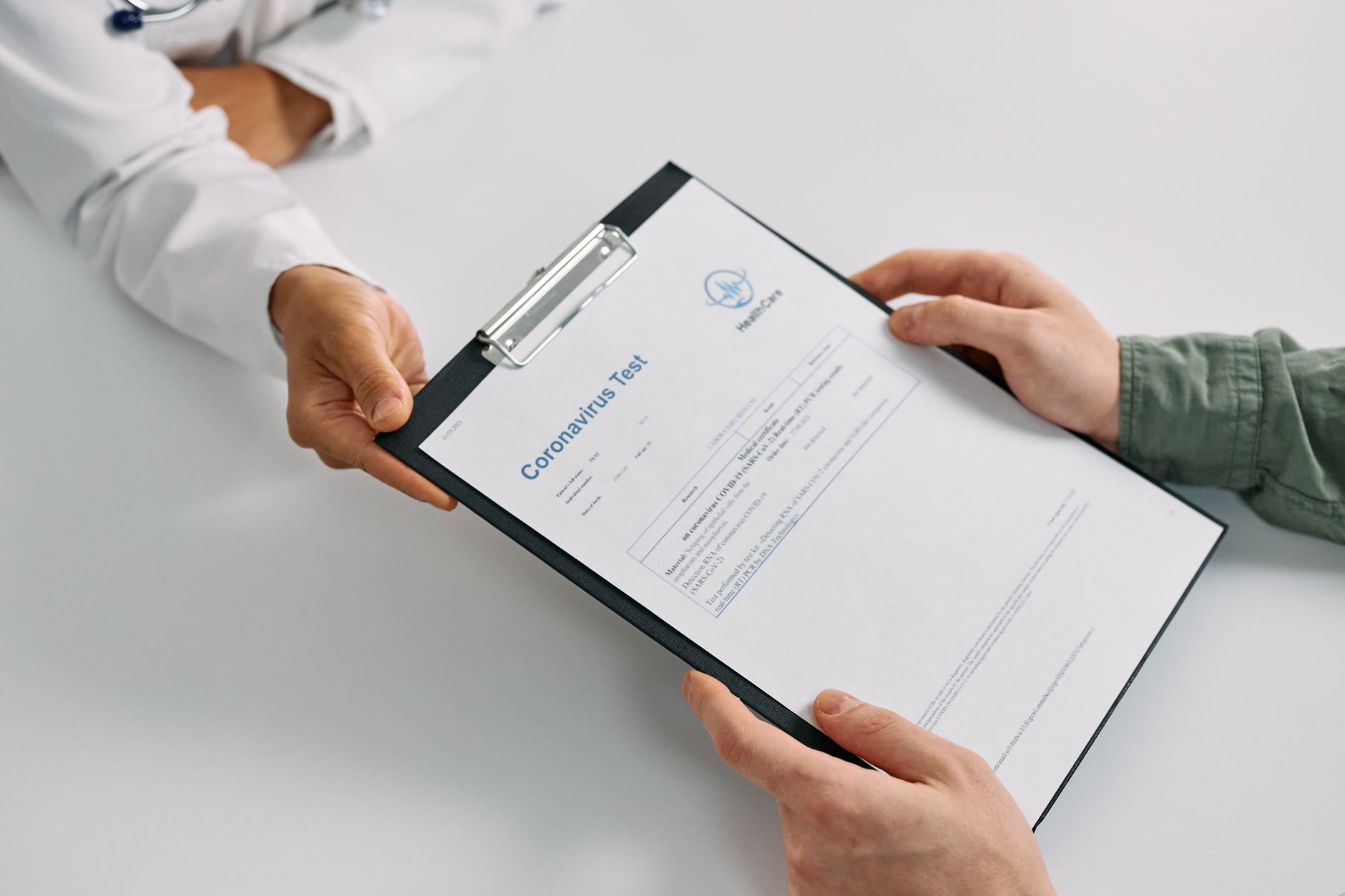
Third-Party Laboratory Testing: Reputable THCA flower should always include recent third-party lab testing from an ISO-accredited laboratory. Comprehensive Certificates of Analysis (COAs) should report individual cannabinoid concentrations, total THC calculations (THC + 0.877×THCA), and contaminant screening. Grenco Goods provides transparent Certificate of Analysis documentation for all products, allowing consumers to verify quality and compliance.
Cannabinoid Profile: Examine both THCA percentage and the full cannabinoid spectrum. Premium flower typically displays THCA concentrations of 20% or higher, along with complementary minor cannabinoids (CBG, CBC, CBN) that contribute to the entourage effect. Total cannabinoid content provides a more complete picture of potency than THCA alone.
Terpene Profile: Terpenes significantly influence both aroma and effects. Quality producers provide terpene analysis showing dominant compounds and their concentrations. Look for total terpene content of 1-3% or higher in premium flower, with clearly identified primary terpenes that align with the strain's expected profile.
Contaminant Testing: COAs should confirm the absence of concerning levels of pesticides, heavy metals, residual solvents, mycotoxins, and microbial contamination. This testing protects consumer safety and indicates professional cultivation practices.
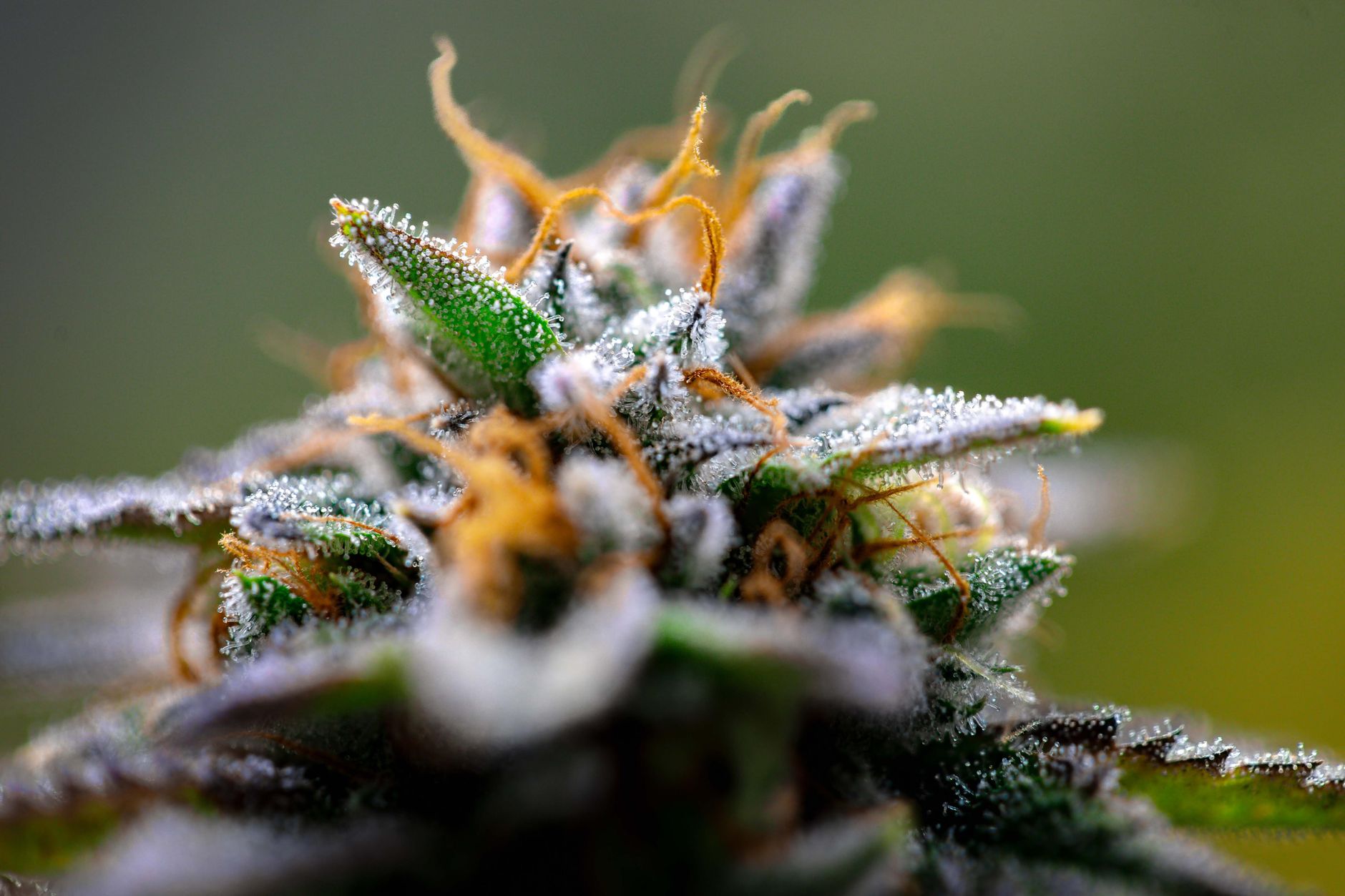
Visual and Sensory Inspection: High-quality THCA flower exhibits dense trichome coverage (visible as a frosty, crystalline appearance), appropriate moisture content (neither too dry nor too wet), vibrant coloration, intact structure, and robust aroma. Avoid flower that appears brown, excessively dry, has visible mold, or lacks scent.
Cultivation Method: Indoor-grown flower typically offers more controlled quality, though well-executed outdoor or greenhouse cultivation can also produce excellent results. Premium options often specify cultivation details and growing practices.
Brand Reputation: Choose established brands with transparent sourcing, consistent quality control, and responsive customer service. Comprehensive educational resources and clear product information indicate a company committed to consumer empowerment rather than simply moving product.
How to Store THCA Flower
Proper storage preserves THCA flower quality, potency, terpene profile, and prevents premature degradation or unintended decarboxylation:
Airtight Containers: Store flower in airtight, opaque containers—preferably glass jars with quality seals. Exposure to oxygen accelerates cannabinoid degradation and terpene evaporation. Research demonstrates that oxygen exposure and light significantly accelerate THC degradation, with nitrogen-modified packaging or vacuum sealing providing optimal preservation.
Cool, Dark Location: Temperature and light are critical factors. Store containers in a cool location away from direct sunlight and heat sources. Ideal storage temperature ranges from 60-70°F (15-21°C). Excessive heat not only degrades cannabinoids and terpenes but can also cause unintended decarboxylation, converting THCA to THC even without active heating. Avoid storage in hot vehicles, above appliances, or near windows.
Humidity Control: Maintaining appropriate humidity prevents both excessive drying (which degrades terpenes and creates harsh smoke) and moisture accumulation (which promotes mold growth). Cannabis flower is optimally stored at 55-62% relative humidity. Two-way humidity control packets (often labeled as 55% or 62% RH) placed in storage containers maintain this range automatically.
Avoid Refrigeration/Freezing: While cool storage is beneficial, refrigerators and freezers introduce problems. Temperature fluctuations cause condensation, promoting mold. Freezing makes trichomes brittle and易碎, causing them to break off. Room-temperature storage in controlled conditions is preferred.
Minimize Handling: Excessive handling transfers trichomes from flower to hands and degrades quality. Handle flower only when necessary and avoid crushing or compressing.
Shelf Life: Properly stored THCA flower maintains optimal quality for 6-12 months. After this period, gradual degradation of cannabinoids and terpenes occurs even under ideal conditions. Some decarboxylation may occur over extended periods, slowly converting THCA to THC and eventually to CBN as oxidation progresses.

Frequently Asked Questions About THCA Flower
What is THCA hemp flower?
THCA hemp flower is Cannabis sativa flower cultivated as hemp (historically containing ≤0.3% delta-9 THC by dry weight) but rich in THCA, the acidic precursor to THC. When this flower is heated through smoking, vaping, or cooking, the THCA converts into delta-9 THC, producing intoxicating effects comparable to traditional cannabis.
Is THCA flower stronger than regular weed?
THCA flower potency is not inherently stronger or weaker than "regular weed"—strength depends on the THCA percentage and terpene profile, just as traditional cannabis strength depends on THC percentage and terpenes. A THCA flower with 25% THCA will, after decarboxylation, produce effects equivalent to cannabis flower with 25% THC. The experience is determined by total cannabinoid content and individual consumer factors rather than the legal classification of the source plant.
Can you eat THCA flower raw?
Yes, THCA flower can be consumed raw, but it will not produce psychoactive effects. Raw THCA cannot effectively bind to CB1 receptors due to its molecular structure, so eating unheated flower in smoothies, salads, or other preparations will not cause intoxication. To experience psychoactive effects, THCA must be heated to convert it into THC through decarboxylation.
Does THCA flower show up on a drug test?
Yes, consuming heated THCA flower will typically cause a positive result on standard drug tests. Standard workplace drug tests detect THC-COOH, the metabolite produced when the body processes THC. Because heating THCA converts it to THC, consuming THCA flower through smoking, vaping, or edibles creates the same metabolites as consuming traditional cannabis. Federal workplace testing uses cutoff concentrations of 50 ng/mL for initial screening and 15 ng/mL for confirmatory testing in urine samples. If you are subject to drug testing for employment, legal, or other purposes, treat THCA flower the same as you would traditional cannabis.
What are the benefits of THCA flower?
THCA flower offers high cannabinoid concentrations, rich terpene profiles, and cannabis-like effects after activation, with extensive strain variety allowing consumers to select cultivars matching their preferences for effects and flavor. However, it's important to note that specific wellness or therapeutic benefits lack robust clinical evidence. While preclinical research suggests THCA may interact with biological targets like PPARγ receptors, human clinical studies are limited, and no medical claims are appropriate. Consumers should view THCA flower primarily as a cannabis product producing effects similar to traditional marijuana after heating.
How should I consume THCA flower?
THCA flower can be consumed through smoking (pipes, bongs, joints), vaporizing with dry herb vaporizers like the G Pen Dash, or cooking (after decarboxylation) into edibles and infusions. Each method offers different onset times, duration, and experience characteristics. Vaporization provides the most controlled heating and flavor preservation, while smoking offers traditional simplicity and rapid onset. Edible preparation requires intentional decarboxylation but produces longer-lasting effects.
Where can I buy THCA flower online?
THCA flower availability varies significantly by jurisdiction and is currently in regulatory transition. Grenco Goods offers a selection of premium THCA flower with transparent lab testing and detailed strain information. However, consumers must verify that THCA flower is legal in their specific state and locality before purchasing, as regulations vary and are changing. Always review current laws and shipping restrictions before ordering.
Final Thoughts: Why THCA Flower Is So Popular
THCA flower's surge in popularity reflects the intersection of consumer demand for cannabis-like experiences, regulatory gaps that temporarily enabled hemp-derived intoxicating products, and the remarkable similarity between high-quality THCA flower and traditional cannabis. Offering potent cannabinoid concentrations, diverse strain options from premium eighths to value ounces, and rich terpene profiles, THCA flower has provided consumers with accessible options for decades-old cannabis genetics.
However, as of March 2026, the landscape is fundamentally shifting. With federal implementation of total THC standards approaching in November 2026, the market for THCA hemp flower faces significant transformation. Understanding both the science behind THCA—how decarboxylation activates the compound, how effects compare to traditional cannabis, and how proper storage preserves quality—and the evolving legal framework empowers consumers to make informed decisions during this transition period.
Whether you're exploring THCA flower for the first time or you're an experienced consumer seeking the highest-quality options, prioritize products with comprehensive third-party testing, transparent sourcing, and clear educational resources. Grenco Goods remains committed to providing premium THCA products alongside the authoritative information consumers need to navigate this dynamic market.
Ready to experience premium THCA flower? Explore our curated selection of lab-tested, high-potency strains, and discover why quality matters. For optimal consumption, pair your flower with precision vaporization technology from our flower vaporizer collection. Have questions? Consult our comprehensive THCA Flower FAQ or learn more in our Ultimate THCA Guide.
