


· By Written in collaboration with AI
What Are THCA Dabs? A Complete Beginner Guide to Effects & Types
What Are THCA Dabs?
THCA dabs are high-potency cannabis concentrates rich in tetrahydrocannabinolic acid (THCA), the non-psychoactive precursor to THC found naturally in raw cannabis. When consumed through dabbing or vaporization—methods that apply heat—THCA rapidly converts into delta-9 THC through a chemical process called decarboxylation, producing strong, fast-acting psychoactive effects. THCA decarboxylates with first-order kinetics, meaning temperature and time directly control how much psychoactive THC you produce from your concentrate.
THCA dabs encompass multiple concentrate formats—including diamonds (crystalline THCA), wax (soft, crumbly texture), shatter (glass-like consistency), and live resin (terpene-rich extracts from fresh-frozen cannabis). These concentrates typically test between 60–90% total cannabinoids, with THCA diamonds approaching 99% purity in some cases. Because dabbing delivers cannabinoids directly to the bloodstream through inhalation, effects begin within minutes and typically peak around 10–20 minutes after consumption, making THCA dabs one of the fastest-onset cannabis consumption methods available.
Understanding what THCA dabs are requires grasping the fundamental distinction between raw THCA and activated THC—a distinction that affects everything from legal status to consumption experience. This guide breaks down the science, legality, practical use, and product types for both newcomers and experienced users seeking technical precision.
What Is THCA?
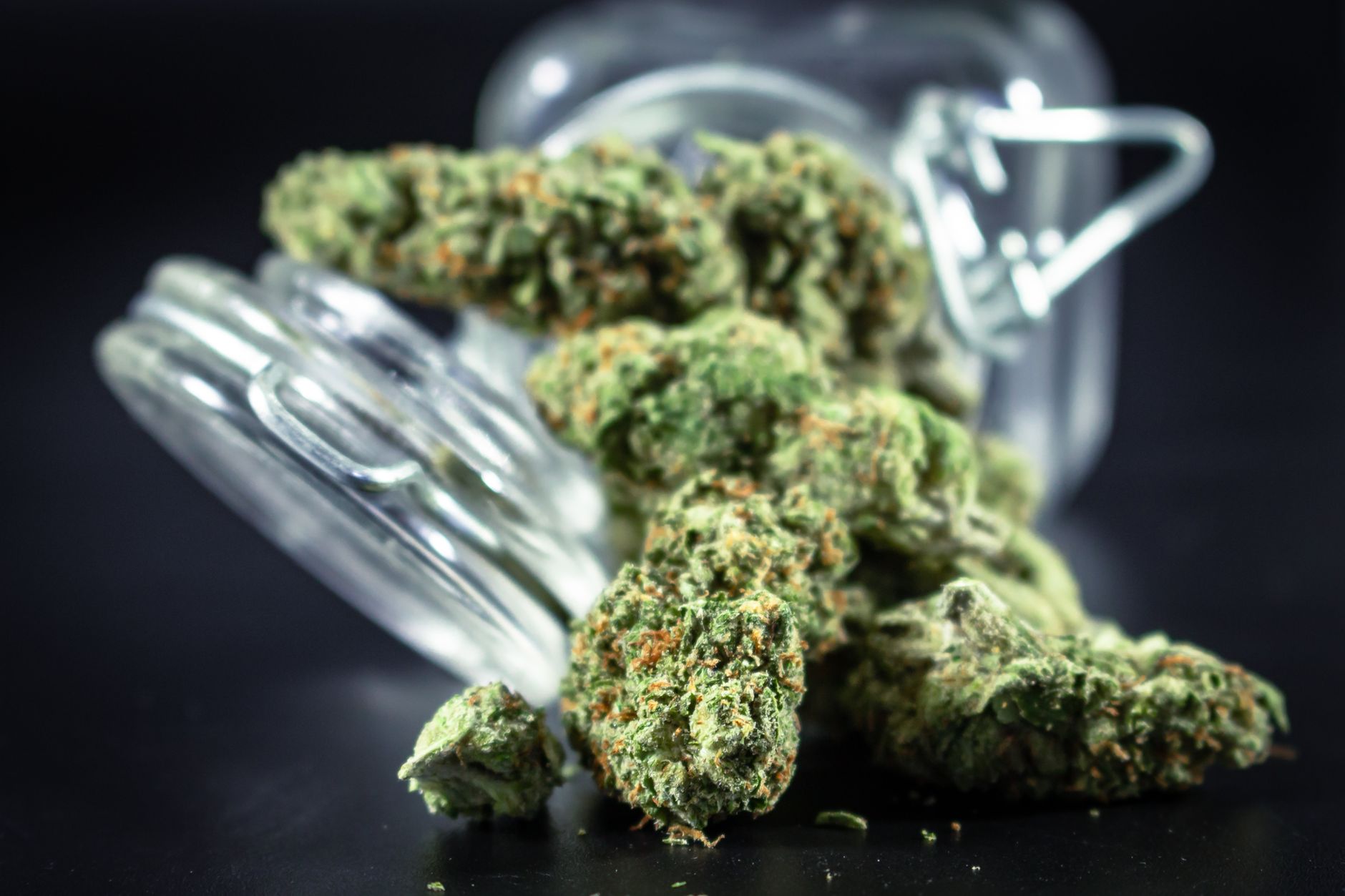
Tetrahydrocannabinolic acid (THCA) is the acidic cannabinoid precursor that exists in raw, living cannabis plants. Unlike delta-9 THC, THCA's molecular structure includes a carboxyl group (an additional carbon, oxygen, and hydrogen arrangement) that makes the molecule too large and chemically incompatible to bind effectively to CB1 receptors in the brain. This structural difference means THCA produces no intoxicating effects when consumed in its raw form—you could eat raw THCA-rich cannabis flower or concentrates without experiencing a traditional cannabis "high."
When cannabis is heated through smoking, vaporizing, or cooking, that carboxyl group breaks away in a process called decarboxylation, transforming THCA into the smaller, psychoactive THC molecule. In short, THCA is the raw potential, and THC is the activated result. For a comprehensive exploration of THCA's properties, mechanisms, and legal landscape, see our complete THCA guide.
How THCA Dabs Work
The fundamental mechanism behind THCA dabs centers on controlled decarboxylation through heat application. When you place a THCA concentrate onto a heated surface (a dab nail, e-nail, or vaporizer chamber), temperatures typically ranging from 450–700°F trigger the rapid conversion of THCA molecules into delta-9 THC. This process happens almost instantaneously at dabbing temperatures, which is why you inhale psychoactive THC vapor rather than inert THCA.
Here's the simple breakdown of how THCA dabs deliver their effects:
- Raw state: THCA concentrate in its jar or container produces no psychoactive effect if consumed without heat
- Heat application: Contact with a heated surface (typically 450–700°F for dabbing) strips away the carboxyl group, creating THC
- Vaporization: The newly-formed THC vaporizes along with preserved terpenes, creating an inhalable vapor
- Inhalation: THC enters the lungs and rapidly crosses into the bloodstream
- Effect onset: Psychoactive effects typically begin within 90 seconds to several minutes, with peak effects around 10–20 minutes post-inhalation
Temperature control significantly impacts both the decarboxylation efficiency and the preservation of terpenes (aromatic compounds that influence flavor and effects). Low-temperature dabbing (roughly 450–550°F) emphasizes terpene retention and flavor, while higher temperatures produce denser vapor but risk degrading delicate terpene molecules and potentially forming unwanted byproducts.
Do THCA Dabs Get You High?
Yes—when heated, THCA dabs produce strong psychoactive effects because the heat converts THCA into delta-9 THC. The intensity of these effects typically exceeds what most users experience from smoking traditional cannabis flower, primarily due to the dramatically higher cannabinoid concentration in dabbable extracts. Where cannabis flower commonly tests between 15–30% total cannabinoids, THCA concentrates routinely reach 60–90% cannabinoid content, with some products approaching near-pure THCA.
Raw THCA Dabs
Consuming THCA concentrate without applying heat produces no intoxicating effects. The intact carboxyl group prevents THCA from activating CB1 receptors, meaning raw THCA dabs remain non-psychoactive. Some consumers incorporate raw THCA into smoothies, capsules, or other no-heat applications, though this falls outside traditional dabbing methodology.
Heated THCA Dabs
Once heated through dabbing or vaporization, THCA dabs convert into THC and produce intense psychoactive effects characterized by rapid onset and strong potency. Users commonly report effects including euphoria, altered sensory perception, relaxation, increased appetite, and time distortion—the typical THC experience profile, amplified by concentration and delivery speed. Because dabbing bypasses the slower absorption of edibles and delivers higher cannabinoid doses than most flower consumption, the effects can feel overwhelming to inexperienced users or those unaccustomed to high-potency products.

Types of THCA Dabs
THCA concentrates come in multiple textures and formats, each produced through different extraction and post-processing techniques. Understanding these types of THCA dabs helps consumers choose products based on potency preferences, handling convenience, and flavor priorities.
THCA Diamonds
THCA diamonds are pure crystalline THCA structures that form through specialized extraction and separation processes. These translucent, geometric crystals can reach 95–99% THCA purity, making them the most potent concentrate format available. Diamonds are frequently packaged in "sauce" (high-terpene extract) that reintroduces flavor and entourage compounds to balance the near-isolate purity of the crystals. The handling requires careful measurement, as even small diamond fragments deliver substantial doses.
THCA Wax
THCA wax (sometimes called budder or badder when particularly creamy) features a soft, crumbly, or whipped consistency that makes it easy to handle with dab tools. The texture results from agitation or whipping during the extraction purging process, which incorporates air and creates the characteristic opaque appearance. Wax typically balances high potency (60–80% cannabinoids) with good terpene preservation, offering flavorful sessions without requiring the precision of diamond dosing. Our THCA budder collection showcases premium wax-texture concentrates across multiple strain profiles.
THCA Shatter
Shatter earns its name from its glass-like, translucent consistency that literally snaps or shatters when broken. This texture indicates minimal residual terpenes and moisture, with cannabinoid purity typically ranging from 70–90%. Shatter's stability makes it easy to store and portion, though it can be more difficult to handle than wax (pieces may fly when snapped). The reduced terpene content compared to wax or live resin means shatter emphasizes potency over flavor complexity.
THCA Live Resin
Live resin is made from fresh-frozen cannabis plants rather than dried and cured flower, preserving a far richer terpene profile than concentrates made from cured material. The fresh-frozen process captures volatile terpene compounds that would otherwise evaporate during traditional drying, resulting in concentrates with exceptional flavor, aroma, and entourage effect potential. Live resin's consistency varies from sauce-like (high terpene, liquid) to sugar-like (granular THCA in terpene-rich base), and potency typically ranges from 60–85% cannabinoids. Users seeking the most flavor-forward dabbing experience gravitate toward live resin formats.
How to Dab THCA: A Beginner Guide
Dabbing THCA concentrates requires specific equipment and technique, though modern electronic devices have simplified the process considerably compared to traditional torch-and-nail setups. Here's what you need and how to execute a proper dab session.
What You Need
- Dab rig or e-rig: A water pipe designed for concentrates, or an electronic device that heats concentrates without a torch
- Heating element: Either a torch (for traditional nails/bangers) or a battery-powered electronic heating chamber
- Dab tool: A metal, glass, or ceramic implement for handling sticky concentrates
- Carb cap: A cover that controls airflow and maintains temperature during vaporization
- Timer (optional): For consistent temperature management with torch-heated nails
Step-by-Step Dabbing Process
- Heat the nail or set temperature: With a torch setup, heat the nail until glowing red (typically 30–60 seconds), then allow cooling for 30–60 seconds to reach optimal dabbing temperature (450–600°F for flavor preservation). With an e-rig, select your desired temperature setting.
- Prepare your dab: Use your dab tool to pick up a rice-grain-sized amount of concentrate for your first attempt. Beginners should start with doses smaller than they think necessary—concentrates are exponentially stronger than flower.
- Apply the concentrate: Touch the dab tool to the heated surface while simultaneously inhaling slowly through the rig's mouthpiece. The concentrate should vaporize immediately on contact.
- Cap and inhale: Place the carb cap over the nail to trap heat and vapor, then continue inhaling slowly until vapor production stops (typically 5–10 seconds).
- Exhale and clean: Exhale the vapor, then use a cotton swab to clean residue from the nail while still warm. This "Q-tip tech" prevents carbon buildup and maintains flavor quality.
Electronic Alternatives for Beginners
Torch-free electronic devices eliminate temperature guesswork and reduce the intimidation factor for new dabbers. Three excellent options for THCA concentrate consumption include:
The G Pen Micro+ offers the most portable concentrate vaporization solution, featuring a compact pen-style design with a ceramic heating plate and quartz liner for pure flavor. Its USB-C charging and 510-cart compatibility make it ideal for users who want small, controlled doses and maximum discretion.
For users who already own a traditional dab rig, the G Pen Connect bridges torch-based and electronic dabbing. This innovative attachment features a ceramic tank with three preset voltage settings plus an extended draw mode, converting any standard water pipe into an e-rig without requiring a separate device purchase.
The G Pen Hyer represents the most sophisticated option, functioning as a portable e-nail with a quartz concentrate tank offering five precise temperature settings from 482°F to 842°F. The Hyer's adjustable heat duration and 6,000 mAh battery capacity enable repeatable, consistent sessions through any glass water piece, making it the gold standard for flavor-focused low-temperature dabbing or higher-temperature cloud production.

THCA Dabs vs THCA Flower
Understanding the practical differences between THCA dabs and THCA flower helps consumers choose the right product format for their preferences and experience level.
| Feature | THCA Dabs | THCA Flower |
|---|---|---|
| Potency | Very high (60–99% cannabinoids) | Moderate (15–30% cannabinoids) |
| Onset Speed | Very fast (1–3 minutes) | Fast (3–10 minutes) |
| Consumption Method | Dabbing, vaporization (specialized equipment) | Smoking, dry herb vaping (standard equipment) |
| Flavor Profile | Terpene-concentrated (especially live resin) | Natural, full-spectrum plant flavor |
| Learning Curve | Moderate to high (technique-dependent) | Low (familiar to most users) |
| Dose Control | Requires precision (small amounts = strong effects) | Easier titration (incremental inhalation) |
Concentrates deliver more cannabinoids per inhalation and require less product volume to achieve desired effects, while flower offers gentler, more familiar consumption with easier dose control for beginners. Neither format is inherently "better"—the optimal choice depends on individual tolerance, experience level, equipment availability, and desired intensity.
Benefits of THCA Dabs
THCA concentrates offer several practical advantages over other consumption formats, though these benefits come with the responsibility of careful dosing and temperature management. (Note: The following describes product characteristics, not medical benefits. These statements have not been evaluated by the FDA.)
- Efficiency and potency: The high cannabinoid concentration means users need significantly less product to achieve desired effects, potentially offering better value per session despite higher per-gram pricing compared to flower.
- Rapid onset: Inhalation-based delivery provides effects within minutes, allowing real-time dose adjustment and immediate feedback—particularly valuable for experienced users who understand their tolerance thresholds.
- Terpene richness: Premium concentrates (especially live resin and sauce formats) preserve and concentrate aromatic terpene compounds that contribute to flavor complexity and the entourage effect (the synergistic interaction between cannabinoids and terpenes).
- Cleaner vaporization: Dabbing at appropriate temperatures vaporizes cannabinoids and terpenes without combusting plant material, avoiding the tar, ash, and combustion byproducts associated with smoking.
- Precise dosing potential: Once users learn proper portioning, dabs enable consistent, repeatable dosing with predictable effects—though this requires practice and quality equipment.
For comprehensive answers to common questions about concentrate formats, benefits, and usage, consult our THCA concentrates FAQ.

Are THCA Dabs Legal?
As of March 17, 2026, the legal status of THCA dabs remains complex and jurisdiction-dependent, with significant federal changes enacted but not yet in effect. Understanding this landscape requires examining both federal hemp regulations and individual state policies.
Federal Legal Framework
The 2018 Farm Bill federally legalized hemp and hemp-derived products containing no more than 0.3% delta-9 THC by dry weight, but did not explicitly address THCA content. USDA testing protocols for hemp have consistently used post-decarboxylation testing methods that calculate "total THC" by adding delta-9 THC plus (THCA × 0.877), acknowledging that THCA converts to THC when heated.
In November 2025, Congress enacted significant revisions to the federal hemp definition. These changes establish a comprehensive "total THC" standard that includes THCA, and impose a 0.4 mg total THC per-container limit for final hemp-derived products. This new framework becomes effective November 12, 2026, approximately eight months from today's date. Once effective, high-potency THCA concentrates would likely exceed federal hemp limits and require licensing under state-legal cannabis programs.
State-by-State Variation
Individual states maintain their own hemp and cannabis regulations, creating a patchwork legal landscape. Some states (including California, Michigan, and Colorado) operate established adult-use cannabis markets where THCA concentrates are legal through licensed dispensaries. Other states have explicitly banned intoxicating hemp-derived products regardless of delta-9 THC percentage, while still others continue to allow hemp-derived THCA products under the current (pre-November 2026) federal framework.
Legal disclaimer: Cannabis and hemp laws change frequently and vary by jurisdiction. This information reflects the regulatory landscape as of March 17, 2026, but should not be considered legal advice. Always verify current federal, state, and local regulations before purchasing or possessing THCA products. Consumers are responsible for ensuring compliance with applicable laws in their jurisdiction.
How Strong Are THCA Dabs?
THCA dabs rank among the most potent cannabis products available to consumers. While traditional cannabis flower typically contains 15–30% total cannabinoids, dabbable concentrates commonly test between 60–90% cannabinoid content, with THCA crystalline diamonds approaching 95–99% purity. To put this in perspective, a single rice-grain-sized dab of 80% THCA concentrate delivers more total cannabinoids than an entire gram of 20% flower.
This extreme concentration makes THCA dabs significantly stronger than most users expect. First-time dabbers frequently overestimate their tolerance because they're accustomed to flower potency, leading to uncomfortable overconsumption. The rapid onset compounds this issue—effects appear within minutes, leaving little opportunity for dosage adjustment once inhaled.
Beginner Dosing Guidance
Conservative dosing is essential for safe, enjoyable THCA concentrate experiences, especially for users new to dabbing:
- Start with a dab no larger than a grain of rice (approximately 10–25 mg of concentrate)
- Wait at least 15–20 minutes to assess full effects before considering a second dab
- Use temperature-controlled devices to ensure consistent, repeatable experiences
- Begin with lower potency concentrates (wax or budder at 60–70%) before progressing to diamonds or isolates
- Choose familiar, comfortable environments for initial sessions
Remember that cannabis tolerance varies dramatically between individuals, and concentrate tolerance develops separately from flower tolerance. What works for an experienced dabber may be overwhelming for someone accustomed only to smoking or vaping flower.
How to Store THCA Dabs
Proper storage preserves potency, terpene content, and overall quality of THCA concentrates. Cannabinoids and terpenes degrade when exposed to heat, light, oxygen, and moisture, so storage practices should minimize these factors.
Storage Best Practices
- Use airtight containers: Keep concentrates in their original silicone or glass containers with tight-sealing lids, or transfer to quality silicone concentrate containers if original packaging is inadequate.
- Store in cool, dark locations: A drawer, cabinet, or dedicated storage box away from windows and heat sources maintains stability. Refrigeration can extend shelf life for long-term storage (6+ months), though it may affect texture.
- Avoid temperature fluctuations: Repeated warming and cooling cycles promote condensation and accelerate degradation. Store concentrates in locations with stable temperatures.
- Minimize oxygen exposure: Open containers only when necessary, and reseal immediately after removing your dab.
- Keep away from contaminants: Store concentrates separately from strong-smelling substances that might affect flavor, and use clean dab tools to prevent introducing foreign material.
Properly stored THCA concentrates typically maintain quality for 6–12 months, though terpene-rich formats (live resin, sauce) may lose aromatic complexity faster than more stable formats (shatter, diamonds). Discoloration, dramatic texture changes, or off-odors indicate degradation and reduced quality.

Frequently Asked Questions About THCA Dabs
What are THCA dabs made from?
THCA dabs are made from cannabis or hemp extracts high in tetrahydrocannabinolic acid. Extraction typically uses hydrocarbon solvents (butane, propane), supercritical CO₂, or solventless methods (heat and pressure for rosin), followed by purging to remove residual solvents and, optionally, post-processing to create specific textures (wax, shatter, diamonds).
Are THCA dabs stronger than THC dabs?
THCA dabs and "THC dabs" are functionally the same product—the THCA in concentrates converts into delta-9 THC when heated during dabbing. The distinction is primarily one of labeling and pre-decarboxylation testing. Both deliver high-potency THC when vaporized, often resulting in effects significantly stronger than traditional flower consumption.
Can beginners use THCA dabs?
Yes, but beginners should approach THCA dabs with caution and conservative dosing. Start with tiny amounts (rice-grain size or smaller), use temperature-controlled devices for consistency, and allow ample time to assess effects before considering additional doses. Electronic devices like the G Pen Micro+ or G Pen Hyer simplify the technical aspects and reduce the intimidation factor compared to torch-based setups.
Do THCA dabs smell like weed?
Yes, THCA concentrates produce cannabis aroma, especially terpene-rich formats like live resin and sauce. The smell during dabbing resembles vaporized cannabis flower but often with more intense, concentrated aromatic profiles. Concentrates in sealed containers typically have minimal odor until opened and heated.
How much do THCA dabs cost?
THCA concentrate pricing varies by format, potency, and market. Gram prices typically range from $15–$60, with premium live resin and diamonds commanding higher prices than wax or shatter. While per-gram costs exceed flower pricing, the higher potency means less product achieves equivalent effects, potentially offering comparable or better value per dose.
Final Thoughts: Are THCA Dabs Worth Trying?
THCA dabs represent the high-potency end of cannabis consumption, offering intense effects, rapid onset, and rich terpene profiles that appeal particularly to experienced users seeking maximum efficiency and flavor. The concentration and delivery speed make dabs distinctly different from flower consumption—more immediate, more powerful, and more technically involved.
For users comfortable with cannabis effects and interested in exploring concentrate-specific experiences, THCA dabs open new dimensions of potency and terpene complexity. Modern electronic devices have dramatically lowered the technical barrier to entry, making quality dabbing accessible without torch expertise. The G Pen Micro+, Connect, and Hyer specifically address common beginner concerns around temperature control, safety, and ease of use.
However, the high potency demands respect, conservative dosing, and honest assessment of personal tolerance. Beginners should start with small amounts, familiar environments, and quality temperature-controlled equipment. Users should also remain aware of the evolving legal landscape—with major federal hemp regulation changes taking effect November 12, 2026, the accessibility of hemp-derived THCA products will likely shift over the coming months.
For those ready to explore high-potency concentrates with proper preparation and equipment, THCA dabs offer some of the most flavorful, efficient, and immediate cannabis experiences available. Browse our curated selection of premium THCA concentrates and professional-grade concentrate vaporizers to begin your dabbing journey with quality products and reliable performance.
Disclaimer: The information in this article is for educational purposes only and should not be considered medical or legal advice. Consult healthcare professionals before using cannabis products, and verify current laws in your jurisdiction before purchasing or possessing THCA products. These statements have not been evaluated by the FDA. For our complete disclaimer, visit our disclaimer page.
