


· By Written in collaboration with AI
What Is THCA? Benefits, Effects, Legality & How It Works
What Is THCA?
THCA (tetrahydrocannabinolic acid) is the non-psychoactive precursor to THC found naturally in raw cannabis and hemp plants. Unlike THC, THCA won't produce intoxicating effects in its raw form—but once you apply heat through smoking, vaping, or dabbing, THCA rapidly converts into delta-9 THC through a chemical process called decarboxylation. This transformation is what allows THCA flower and concentrates to deliver the effects cannabis users seek while remaining compliant with certain hemp regulations prior to consumption.
As of March 16, 2026, the THCA landscape sits at a critical inflection point. While these products have surged in popularity thanks to what many call a "legal loophole," major federal regulatory changes enacted in November 2025 will fundamentally reshape the market when they take effect on November 12, 2026. Understanding what THCA is—and how the law treats it—has never been more important for consumers navigating this evolving space.

What Does THCA Stand For?
THCA stands for tetrahydrocannabinolic acid, a naturally occurring cannabinoid acid found in fresh cannabis and hemp plants. The "A" designates its acidic form—specifically, THCA contains an additional carboxyl group (a molecular structure of carbon, oxygen, and hydrogen atoms) attached to what will become the THC molecule.
In living cannabis plants, nearly all THC exists as THCA. The plant's biosynthetic pathways produce THCA as the end product, not THC itself. Only through aging, UV exposure, or intentional heating does THCA lose that carboxyl group and transform into the delta-9 THC that binds to CB1 receptors in the brain to produce psychoactive effects. This chemical distinction is what defines THCA as a unique cannabinoid with its own profile and regulatory treatment.
The THCA molecule is larger and more polar than THC, which affects how it interacts with your body's endocannabinoid system. Research published in the British Journal of Pharmacology demonstrates that THCA's molecular structure prevents it from fitting into CB1 cannabinoid receptors the way THC does—explaining why raw THCA doesn't produce the "high" associated with cannabis consumption.
How THCA Turns Into THC: Understanding Decarboxylation
Decarboxylation is the chemical reaction that converts THCA into THC by removing the carboxyl group as carbon dioxide (CO₂). This process occurs rapidly when THCA is exposed to sufficient heat, following what chemists call first-order reaction kinetics. A comprehensive kinetic study published in Industrial & Engineering Chemistry Research confirms that THCA decarboxylates faster than other acidic cannabinoids, with optimal conversion occurring at temperatures between 110–140°C depending on the method and duration.
Every common consumption method triggers this transformation:
- Smoking flower: Combustion temperatures (400–900°C) instantly decarboxylate THCA as you inhale, delivering THC to your lungs.
- Vaping concentrates: Controlled heating in devices like the G Pen Connect efficiently converts THCA at precise temperatures (typically 315–430°F), maximizing THC delivery while minimizing combustion byproducts.
- Dabbing diamonds: High-temperature dabbing (500–600°F) provides near-instantaneous decarboxylation of crystalline THCA concentrates.
- Cooking or baking: Prolonged oven exposure (typically 220–250°F for 30–45 minutes) decarboxylates THCA in flower or concentrates for edible preparation.
This heat-activation requirement is central to understanding both THCA's effects and its legal status. The raw material may test as "hemp" under certain definitions, but the moment you light it, vape it, or dab it, you're consuming THC with all its associated effects and legal implications.
Does THCA Get You High?
This is one of the most searched questions about THCA, and the answer requires an important distinction between raw and heated forms.
Raw THCA: Non-Psychoactive
In its raw, unheated state, THCA does not produce intoxicating effects. Its larger molecular structure and acidic carboxyl group prevent it from crossing the blood-brain barrier efficiently and binding to CB1 receptors in the central nervous system—the mechanism responsible for THC's psychoactive properties. You could theoretically consume raw THCA-rich cannabis juice or tincture without experiencing the characteristic "high" of cannabis use.
Preclinical research suggests raw THCA may interact with the body through different pathways, particularly as a PPARγ (peroxisome proliferator-activated receptor gamma) agonist, but these mechanisms don't produce intoxication or impairment.
Heated THCA: Psychoactive
Once you apply heat—whether smoking THCA flower, vaping cartridges, or dabbing THCA concentrates—decarboxylation converts THCA into delta-9 THC, and yes, you will experience psychoactive effects. The intensity depends on the amount of THCA converted, your tolerance, and your consumption method, but heated THCA products deliver the same THC-driven experience as traditional cannabis.
This is why "THCA flower" sold in hemp stores functions identically to cannabis flower from state-licensed dispensaries once consumed: both contain high levels of THCA that become THC when smoked or vaporized.
What Is THCA Flower?
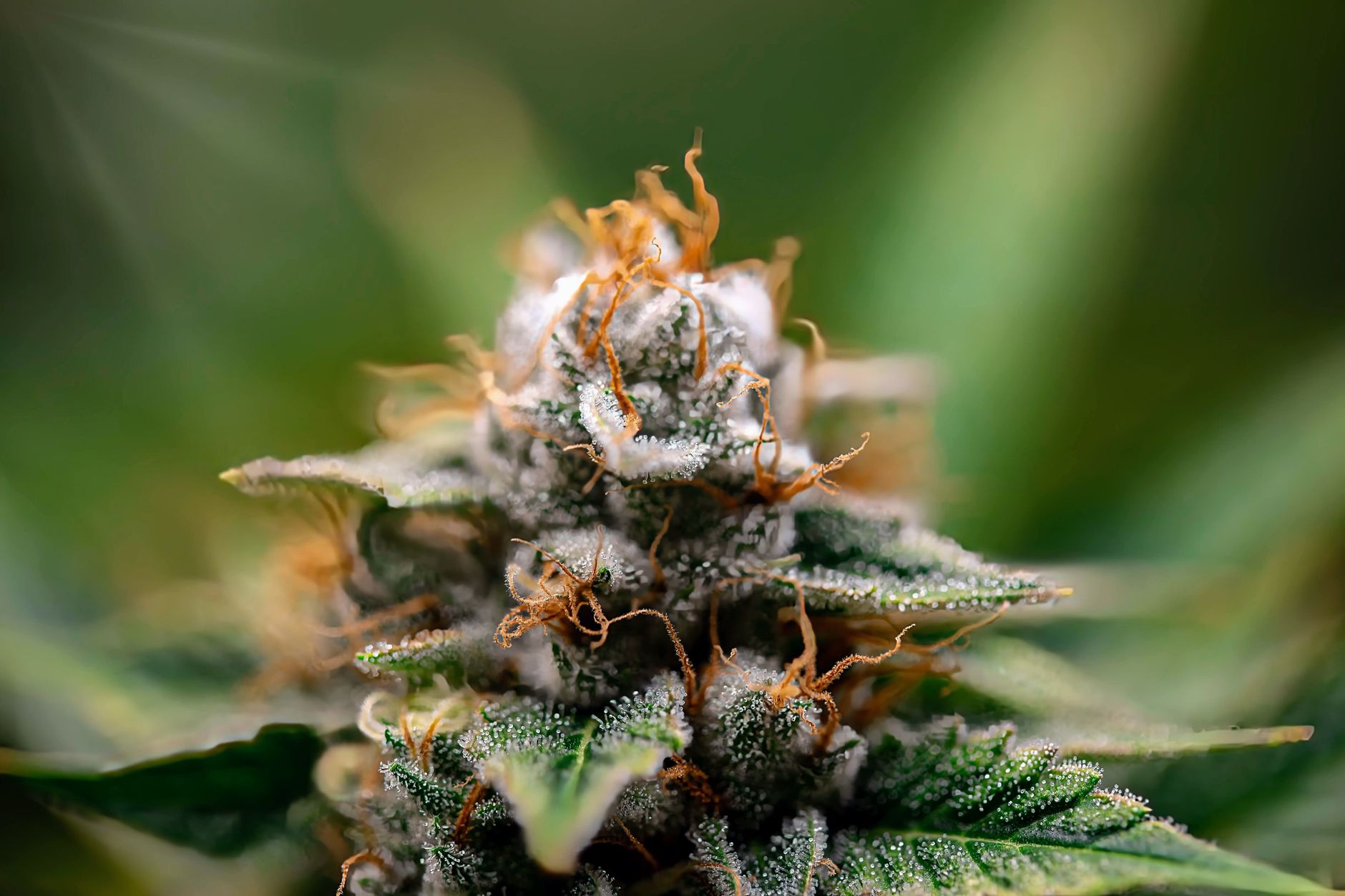
THCA flower refers to dried cannabis or hemp flower bred and cultivated to contain high levels of THCA while maintaining delta-9 THC content at or below 0.3% by dry weight in its raw state. Visually, aromatically, and structurally, THCA flower is indistinguishable from traditional high-THC cannabis flower—because botanically, it's the same plant.
The distinction lies in legal classification and testing methodology. Under the 2018 Farm Bill's original framework (still in effect as of March 16, 2026), hemp is defined as cannabis containing no more than 0.3% delta-9 THC by dry weight. The Congressional Research Service explains that this definition created a pathway for THCA-rich flower to be marketed as "hemp" despite containing total cannabinoid levels that would convert to much higher THC concentrations once heated.
When you purchase THCA flower—whether popular strains like Lemon Cherry Gelato, Rainbow Belts, or Pure Kush—you're getting material that becomes fully psychoactive upon consumption. Growers achieved this by harvesting and testing flower at the precise moment when THCA levels are high but natural decarboxylation hasn't yet converted significant amounts to delta-9 THC.
Our THCA flower collection features lab-tested strains across indica, sativa, and hybrid categories, each with detailed certificates of analysis (COAs) showing cannabinoid profiles, terpene content, and compliance verification.
What Are THCA Dabs and Concentrates?
THCA concentrates are extracted and refined cannabis products that isolate THCA in various forms, prized for their potency, purity, and rapid onset when vaporized or dabbed. THCA crystalline products can reach 95–99% purity, representing some of the most potent cannabis products available.
THCA Diamonds
THCA diamonds are crystalline structures of nearly pure THCA that form during specific extraction and post-processing techniques. These translucent, geometric crystals are typically dabbed at high temperatures, instantly decarboxylating the THCA into THC for powerful, fast-acting effects. Diamonds are often sold in "sauce" (a terpene-rich extract) to enhance flavor and entourage effects.
THCA Wax and Shatter
These concentrates contain high THCA levels in semi-solid or glass-like forms. Wax has a softer, more malleable texture, while shatter is brittle and translucent. Both are produced through solvent-based extraction (typically butane or propane) followed by purging and specific cooling/agitation techniques that determine final consistency.
THCA Live Resin
Live resin is extracted from fresh-frozen cannabis plants (never dried or cured), preserving volatile terpenes that would otherwise evaporate during traditional drying. The result is a highly aromatic, flavorful concentrate rich in both THCA and the plant's original terpene profile. When dabbed, live resin offers robust flavor alongside potent effects.
Our THCA dabs collection features budder concentrates in strain-specific varieties, each verified through third-party lab testing for potency, residual solvents, heavy metals, pesticides, and microbiological contaminants—quality assurance measures that are essential when consuming concentrated products.
Is THCA Legal? Understanding the Complex Federal and State Landscape
THCA legality is currently in transition, and understanding the timeline is critical for consumers and businesses alike.
Current Federal Framework (As of March 16, 2026)
Under the 2018 Farm Bill, hemp is defined as cannabis and cannabis derivatives containing no more than 0.3% delta-9 THC by dry weight. This definition technically allowed THCA-rich products to be classified as federally legal hemp—provided delta-9 THC levels remained compliant at the point of testing.
However, USDA laboratory testing guidelines require "post-decarboxylation" or equivalent methodologies that measure total potential THC (accounting for THCA that will convert to THC). This created tension between pre-harvest crop testing (which uses total THC calculations) and post-harvest product marketing (where some products were tested and labeled based on delta-9 content alone).
Coming Federal Changes (Effective November 12, 2026)
In November 2025, Congress amended the federal hemp definition to explicitly use a "total THC" standard that includes THCA in all calculations. Additionally, the new law caps finished hemp products at 0.4 mg total THC per container. Legal analyses from major law firms confirm that these changes, effective November 12, 2026, will effectively prohibit most current THCA flower and concentrate products in interstate commerce.
This means the THCA product category as it exists today faces a sunset date less than nine months away from the current date of March 16, 2026.
State-by-State Variations
Even before federal changes take effect, state laws vary significantly. Some states (including California, Michigan, and Colorado) regulate or restrict intoxicating hemp-derived cannabinoids through state cannabis programs. Others have enacted outright bans or age restrictions on THCA products. Still others continue to allow hemp-derived THCA sales under the current federal framework.
Consumers should always verify their state's current regulations before purchasing or possessing THCA products. Laws change frequently, and what's permissible in one jurisdiction may result in legal consequences in another. Grenco Goods adheres to all applicable federal regulations and ships only to states where hemp-derived THCA products remain legally compliant as of the order date.

Potential Benefits of THCA: What Current Research Shows
While THCA has gained popularity primarily as a THC precursor in consumable products, emerging preclinical research suggests raw THCA may possess distinct biological activities separate from its role in producing THC. It's essential to understand that this research is in early stages—human clinical trials are limited, and most findings come from cell culture and animal studies.
Anti-Inflammatory Properties
Research published in the Journal of Pharmacology found that THCA demonstrated anti-inflammatory effects in rodent models of arthritis, working through both PPARγ receptor activation and cannabinoid receptor pathways. These preclinical findings suggest potential applications for inflammatory conditions, though human studies are needed to establish efficacy and appropriate dosing.
Neuroprotective Potential
THCA's activity as a PPARγ agonist has drawn attention for neuroprotective research. Studies in the British Journal of Pharmacology demonstrated that THCA showed neuroprotective properties in preclinical models, potentially relevant to neurodegenerative conditions. However, these remain laboratory findings that require extensive human research before any therapeutic applications can be validated.
Anti-Nausea Effects
Animal research has explored THCA's anti-emetic (anti-nausea) properties at doses lower than those required for THC to produce similar effects. These findings are preliminary but suggest THCA might offer symptom relief through mechanisms distinct from THC's CB1 receptor activation.
Important Limitations
None of these potential benefits have been confirmed in robust human clinical trials. THCA products are not FDA-approved to diagnose, treat, cure, or prevent any disease. Consumers interested in THCA for potential wellness applications should consult healthcare professionals and understand that heated consumption converts THCA to psychoactive THC, fundamentally changing the compound and its effects.
THCA vs THC: Understanding the Key Differences
While closely related, THCA and THC differ in critical ways that affect user experience, legality, and biological activity.
| Feature | THCA | THC |
|---|---|---|
| Psychoactive | No (in raw form) | Yes |
| Found In | Raw, unheated cannabis plants | Heated or aged cannabis |
| Molecular Structure | Contains carboxyl group (acidic) | Carboxyl group removed (neutral) |
| CB1 Receptor Binding | Minimal to none | Strong agonist |
| Converts When Heated | Yes → becomes THC | Already active form |
| Current Federal Legal Status | Complex; transitioning in 2026 | Schedule I controlled substance |
| Mechanism of Action | PPARγ agonism, limited cannabinoid receptor activity | CB1/CB2 receptor agonism |
In short, THCA is the raw potential, and THC is the activated result. Understanding this distinction is crucial for anyone exploring cannabis products, particularly given that smoking or vaping THCA-rich products delivers THC effects despite the different chemical starting point.
How to Use THCA: Consumption Methods Explained
THCA consumption methods determine whether you experience psychoactive effects or preserve the raw cannabinoid's non-intoxicating properties.
Smoking THCA Flower
The most common approach involves smoking THCA-rich flower in joints, bowls, or bongs. Combustion instantly decarboxylates THCA to THC, producing effects within minutes. This method mirrors traditional cannabis consumption and delivers the full psychoactive experience users expect from high-THC products.
Vaping THCA Products
Vaporization offers controlled heating that decarboxylates THCA more efficiently than combustion while producing fewer harmful byproducts. Our THCA flower vapes collection includes devices optimized for dry herb, allowing you to experience full flavor and cannabinoid profiles at precise temperatures (typically 350–430°F). For concentrates, devices like the G Pen Connect provide consistent heat delivery for optimal decarboxylation and vapor production.
Dabbing THCA Concentrates
Dabbing involves flash-vaporizing concentrates on a heated surface (nail or banger), typically at 500–600°F. This method is the strongest and fastest-acting consumption approach, converting high-purity THCA concentrates into potent THC vapor. Always verify third-party lab testing (COAs) before dabbing any concentrate to ensure it's free from residual solvents, pesticides, and contaminants.
Raw Consumption (No Decarboxylation)
Some consumers juice raw cannabis leaves, blend THCA-rich material into smoothies, or use non-heated tinctures to preserve THCA in its acidic form. This approach avoids psychoactive effects but also remains largely unexplored in human research—we don't have clear data on bioavailability, effective dosing, or therapeutic applications of raw THCA consumption.

How to Store THCA Products: Preserving Potency and Freshness
Proper storage prevents degradation, maintains terpene profiles, and minimizes unwanted decarboxylation that can occur from heat, light, or prolonged air exposure.
Optimal Storage Conditions
Research on cannabis storage confirms that refrigeration at approximately 4°C (39°F) best preserves cannabinoid and terpene content over time. For practical home storage:
- Use airtight containers: Glass jars with tight-sealing lids prevent oxygen exposure that accelerates cannabinoid degradation.
- Store in cool, dark places: Avoid heat sources, direct sunlight, and UV exposure that trigger decarboxylation and convert THC to CBN (a less psychoactive degradation product).
- Control humidity: For flower, maintain 55–62% relative humidity using humidity control packs to prevent mold growth while avoiding over-drying that damages trichomes and terpenes.
- Refrigerate concentrates: THCA dabs, diamonds, and other concentrates benefit from refrigeration, which slows oxidation and preserves volatile terpenes.
What to Avoid
Never store THCA products in warm environments (cars, near ovens, in direct sun), plastic bags that don't seal properly, or clear containers exposed to light. Even modest heat exposure over time will gradually convert THCA to THC and eventually to CBN, changing the product's effects and reducing potency.
Frequently Asked Questions About THCA
Does THCA show up on a drug test?
Yes—if you heat it. Standard workplace drug tests detect THC-COOH, the primary metabolite your body produces after metabolizing THC. When you smoke, vape, or dab THCA, decarboxylation produces THC, which your body then metabolizes to THC-COOH—resulting in a positive test. Raw, unheated THCA consumption is less likely to trigger standard immunoassay tests, but incidental conversion during storage or processing means it's not risk-free. If you're subject to drug testing, assume any THCA product consumption may produce a positive result.
Is THCA stronger than THC?
THCA itself isn't psychoactive, so it produces no intoxicating "strength" in raw form. Once heated and converted to THC, potency depends on the total THC dose delivered—not the starting cannabinoid. High-THCA products (like concentrates testing at 90%+ THCA) convert to very high THC concentrations when heated, making them extremely potent. But the "strength" comes from the resulting THC, not from THCA having greater intrinsic potency than THC.
Can you eat THCA raw without getting high?
Yes. Raw THCA consumption (juicing fresh cannabis, eating non-heated tinctures, etc.) won't produce psychoactive effects because the THCA molecule doesn't efficiently bind to CB1 receptors or cross the blood-brain barrier in its acidic form. However, we lack substantial research on raw THCA bioavailability, optimal dosing, or therapeutic effects in humans, so this remains an experimental approach without established guidelines.
What is the difference between THCA and Delta-8 THC?
THCA is the acidic precursor to delta-9 THC found naturally in cannabis plants; it becomes delta-9 THC when heated. Delta-8 THC is a different isomer (molecular arrangement) of THC—typically produced through chemical conversion of CBD or delta-9 THC—that has psychoactive properties but a slightly different receptor binding profile than delta-9 THC. Both THCA products (once heated) and delta-8 products produce intoxication, and both face the same federal regulatory changes coming in November 2026 under the new "total THC" definition.
Will THCA products still be available after November 12, 2026?
The November 2025 federal amendments redefine hemp using total THC (including THCA) and cap products at 0.4 mg total THC per container. This effectively eliminates current THCA flower, concentrate, and vape products from the federally legal hemp market. Products will need to either comply with the new extremely low limits (making them non-intoxicating and unlikely to appeal to current consumers) or move to state-licensed cannabis channels where available. The landscape will change dramatically once the November 12, 2026 effective date arrives.

Final Thoughts: Why THCA Has Captured Consumer Interest—and What's Next
THCA's rise in popularity reflects several converging factors: consumers' desire for cannabis-like experiences in areas without adult-use legalization, the hemp industry's innovation in navigating regulatory frameworks, and growing interest in the broader cannabinoid spectrum beyond just CBD and THC. Market analyses estimate the hemp-derived intoxicating cannabinoid sector (including THCA, delta-8, and similar products) reached approximately $2.8 billion in 2023—demonstrating substantial consumer demand.
For consumers, THCA products have offered access to high-quality flower and concentrates with the convenience of online ordering and broader geographic availability than state-licensed cannabis programs provide. The experience of smoking or vaping THCA flower mirrors traditional cannabis use because, chemically, you're consuming the same end product: delta-9 THC delivered through decarboxylation at the point of use.
However, as we've discussed throughout this guide, the regulatory ground is shifting. The pending November 2026 federal changes represent a fundamental recalibration of hemp law, closing what regulators viewed as an unintended pathway to intoxicating products. Consumers should approach THCA purchases with awareness of this timeline and understanding that product availability will change significantly in the months ahead.
At Grenco Goods, we're committed to transparency, education, and compliance. Our comprehensive THCA resources, detailed product COAs, and ongoing legal updates ensure you have the information needed to make informed decisions. Whether you're exploring our THCA flower collection, browsing concentrates, or selecting the right vaporizer for your consumption preferences, quality and education remain our highest priorities.
As the THCA landscape evolves, stay informed, verify your local regulations, understand what you're consuming, and always prioritize products backed by third-party lab testing and transparent sourcing. The science of cannabinoids continues to advance, regulations continue to develop, and educated consumers remain best positioned to navigate this dynamic space safely and legally.
Ready to explore premium THCA products? Browse our full selection of lab-tested THCA flower, concentrates, and vaporizers designed for the optimal cannabis experience. All orders include detailed certificates of analysis and discreet shipping to compliant states.
